The Hyperscaler Land Grab: What Carriers Need to Know
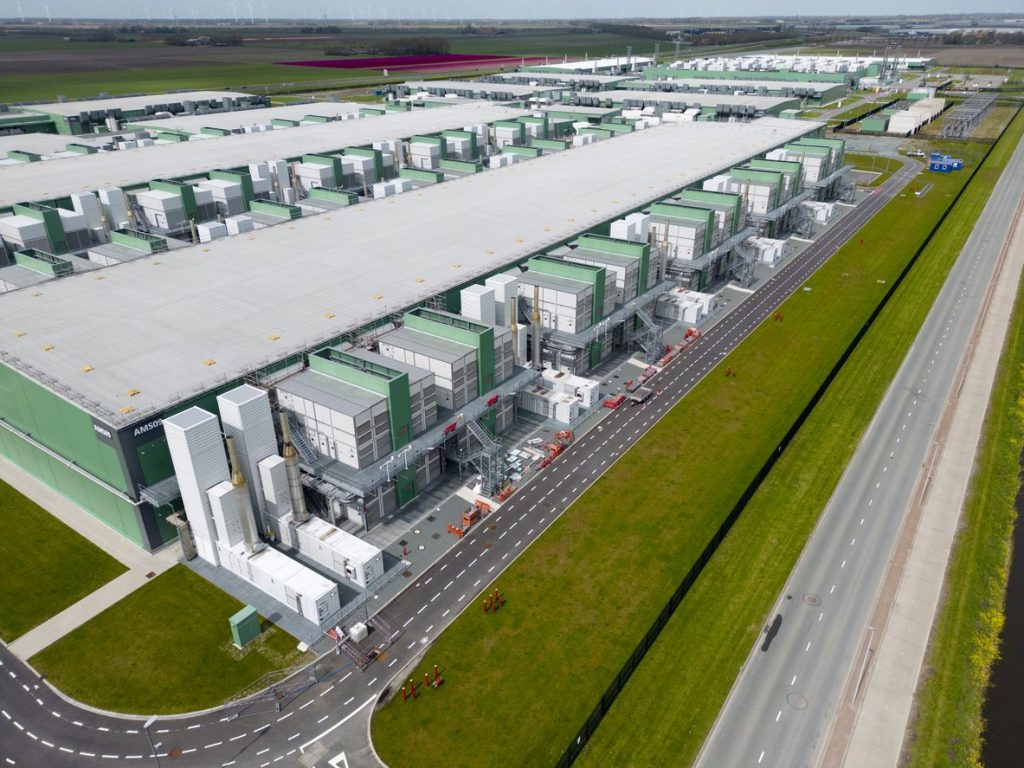
For most of telecom’s history, the relationship between carriers and hyperscalers was simple: hyperscalers bought bandwidth, carriers sold it. That model is over.
Amazon, Google, Microsoft, and Meta are now among the largest buyers of dark fiber, submarine cable capacity, and data center real estate on the planet. They’re not just customers anymore — they’re infrastructure owners, network builders, and in some cases, direct competitors to the carriers they once relied on.
I’ve sat across the table from network acquisition teams at all of the major hyperscalers. I’ve structured the deals. I know how they think. And carriers that don’t understand the new dynamic are going to find themselves on the wrong side of it.
What Hyperscalers Actually Want
Hyperscalers don’t think in quarters. They think in decades. When they sign a dark fiber IRU, they’re committing to a 20-year relationship with the infrastructure. That means they want certainty above everything else — route diversity, redundancy, operational SLAs, and a counterparty they trust to deliver.
Price matters, but it’s not the primary driver. I’ve seen deals where a higher-priced option won because the operator demonstrated superior route knowledge, stronger permitting relationships, and a more credible construction timeline. Hyperscalers are buying confidence as much as capacity.
They also want flexibility. The Fiber Partners Program I developed at Fermaca was built on this insight — by unifying multiple carriers’ assets under a single commercial framework, we gave hyperscalers and Tier-1 carriers the ability to procure cross-network capacity through one structured agreement. It simplified their vendor landscape and gave them geographic reach they couldn’t get from any single operator.
What Carriers Need to Do
First, get in the room. Hyperscaler network teams move fast and they build preferred vendor relationships early. If you’re not already engaged with their network acquisition and procurement teams, you’re behind.
Second, speak their language. Hyperscalers are technically sophisticated buyers. They understand fiber counts, attenuation budgets, OSNR, and route diversity metrics. Show up prepared, or don’t show up.
Third, think beyond the transaction. The carriers that win long-term hyperscaler relationships are the ones who position themselves as strategic partners — not just capacity vendors. That means proactively bringing route opportunities, sharing network development plans, and demonstrating that you understand their infrastructure strategy.
The hyperscaler land grab is happening right now. Carriers that adapt will thrive. Those that don’t will find themselves increasingly marginalized in their own markets.
— Edgar Mosti is a senior telecom executive with 25+ years leading hyperscaler and enterprise sales, strategic alliances, and cross-border fiber infrastructure programs across the US, Mexico, and Latin America.